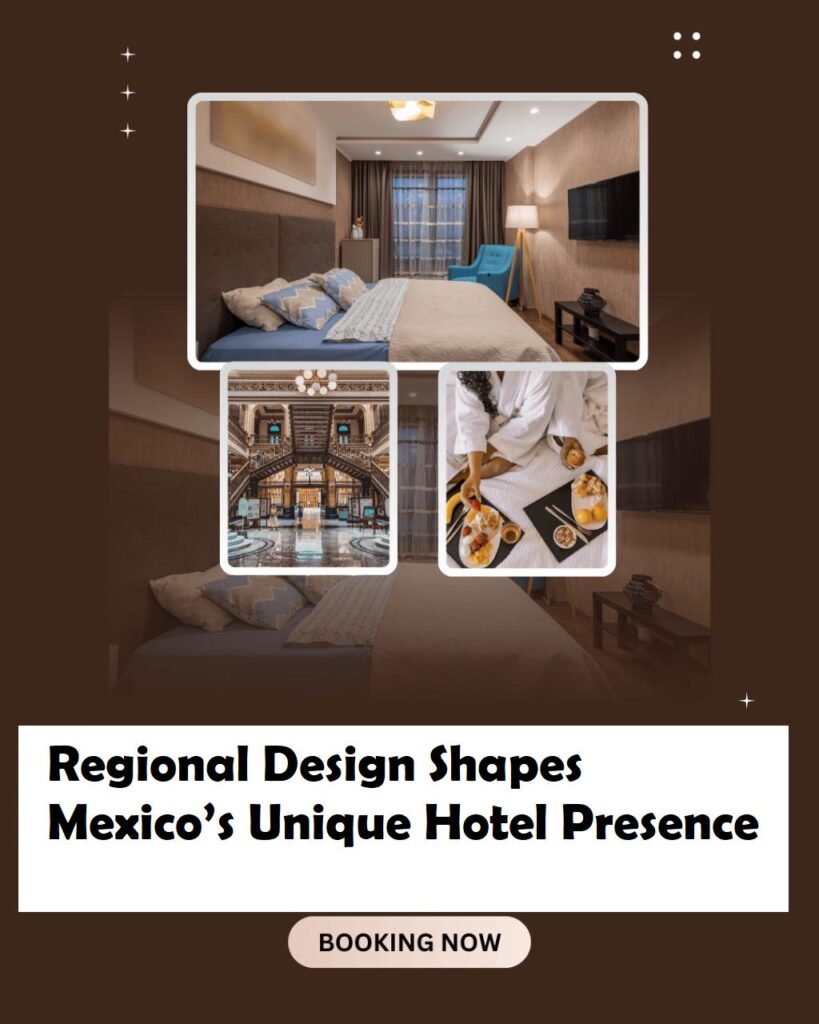
Mexico’s most memorable hotels don’t simply sit in a destination—they speak its language. Regional design here is not a decorative afterthought, but a living expression of place: volcanic stone shaped by patient hands, woven fibers carrying ancestral patterns, courtyards that catch the breeze with quiet intelligence. Across coastlines, colonial cities, and highland valleys, Mexico’s hospitality scene proves that architecture and atmosphere can feel personal—like a welcome that recognizes where you’ve arrived before you even unpack.
1) Coastal Modernism with Riviera Warmth
Along Mexico’s celebrated shorelines, contemporary hotels often borrow the clean confidence of modern design, then soften it with coastal ease. Expect low-slung silhouettes that mirror the horizon, shaded terraces that make the midday sun feel gentle, and open-air corridors where the ocean’s rhythm becomes part of the room. The most refined properties use regional materials—pale limestone, warm woods, hand-pressed tiles—to create spaces that feel calm rather than flashy. Days unfold in simple luxuries: a salt-air breakfast served under a pergola, a plunge pool tucked behind sculpted privacy walls, and evenings lit by lanterns that turn the whole property into a quiet shoreline sanctuary.
2) Oaxaca’s Craft-Forward Boutique Soul
In Oaxaca, hotel design leans into craft as a form of storytelling. Boutique stays here are often built around courtyards and galleries—spaces where shadow and sunlight perform a slow dance across clay floors and textured walls. Local weaving traditions appear in headboards, rugs, and wall hangings that feel curated rather than staged. Many properties integrate artisan workshops and rotating displays, turning hallways into small cultural corridors. The experience is intimate and sensorial: mezcal tastings beside a garden of agave, hand-thrown ceramics holding your morning coffee, and rooms that smell faintly of wood, earth, and fresh linen. It’s regional design at its most sincere—less about trend, more about legacy.
3) Mexico City’s Gallery-Like Urban Stays
Mexico City’s top hotels channel the capital’s creative energy with design that feels editorial and bold, yet deeply rooted. You’ll find sculptural lighting inspired by mid-century Mexican masters, custom furniture that reads like collectible art, and layouts built for city life—quiet corners for reading, rooftop terraces for skyline views, and lobby spaces that behave like modern salons. Regional identity comes through in subtle cues: volcanic stone details, color palettes pulled from local murals, and curated contemporary Mexican art that gives the stay its intellectual edge. The result is an urban hotel experience that feels both cosmopolitan and distinctly local, like a private key to the city’s design conversation.
4) Yucatán’s Limestone Elegance and Courtyard Calm
In the Yucatán, design often begins with the region itself—limestone, filtered light, and the hush of inner courtyards. Many hotels restore hacienda-inspired forms or reinterpret them with a minimalist hand, keeping proportions generous and airflow natural. Arches frame gardens; pools appear like polished mirrors under palms; textiles reference Mayan geometry without turning the room into a museum. The atmosphere is cooling and composed, with days structured around soft rituals: a slow swim before breakfast, a shaded afternoon nap, and evenings that glow under warm lantern light. Here, regional design isn’t loud—it’s soothing, almost meditative.
5) Highlands and Valleys: Stone, Fireplaces, and Quiet Romance
Move inland and Mexico’s hotel design takes on a grounded intimacy—stone walls, warm timber ceilings, and fireplaces that make evenings feel ceremonial. In mountain towns and valley retreats, architecture often respects the land’s contours, placing terraces for sunrise, gardens for fragrance, and indoor-outdoor transitions that feel natural. The best properties highlight local stonework and carpentry, pairing rustic textures with tailored comfort: deep sofas, high-thread-count sheets, and baths that feel spa-like without losing their regional character. It’s the kind of place where the world slows down—where silence feels like a feature, not an absence.
Q&A: Planning a Design-Led Stay in Mexico
Q: Which areas are best if I want design that feels truly regional?
A: Consider Oaxaca for craft-forward boutique hotels, the Yucatán for courtyard elegance and limestone calm, and highland destinations for stone-and-wood retreats with a romantic, grounded atmosphere.
Q: What kind of hotels should I search for to get the most “sense of place”?
A: Look for boutique or small luxury properties that highlight local materials, collaborate with artisans, and prioritize architecture—often described with terms like hacienda-inspired, courtyard hotel, artisan-led, or regional modernism.
Q: Any additional hotel recommendations that fit this design-first mood?
A: For coastal refinement, explore One&Only Mandarina (Riviera Nayarit) or Chablé Maroma (Riviera Maya). For artful city stays, consider Las Alcobas (Mexico City). For heritage atmosphere in the Yucatán, Chablé Yucatán is frequently praised for its serene, design-driven setting.
Conclusion
“Regional design” in Mexico is more than an aesthetic—it’s the difference between merely visiting and truly arriving. From coastal modernism softened by sea air, to Oaxaca’s handcrafted soul, to the limestone hush of Yucatán courtyards and the intimate warmth of highland retreats, these hotels translate place into experience. The exclusivity here isn’t only about privacy or service; it’s about staying somewhere that feels irreplaceable—a space shaped by its region’s history, materials, and artistry, offering you a kind of luxury that lingers long after checkout.